
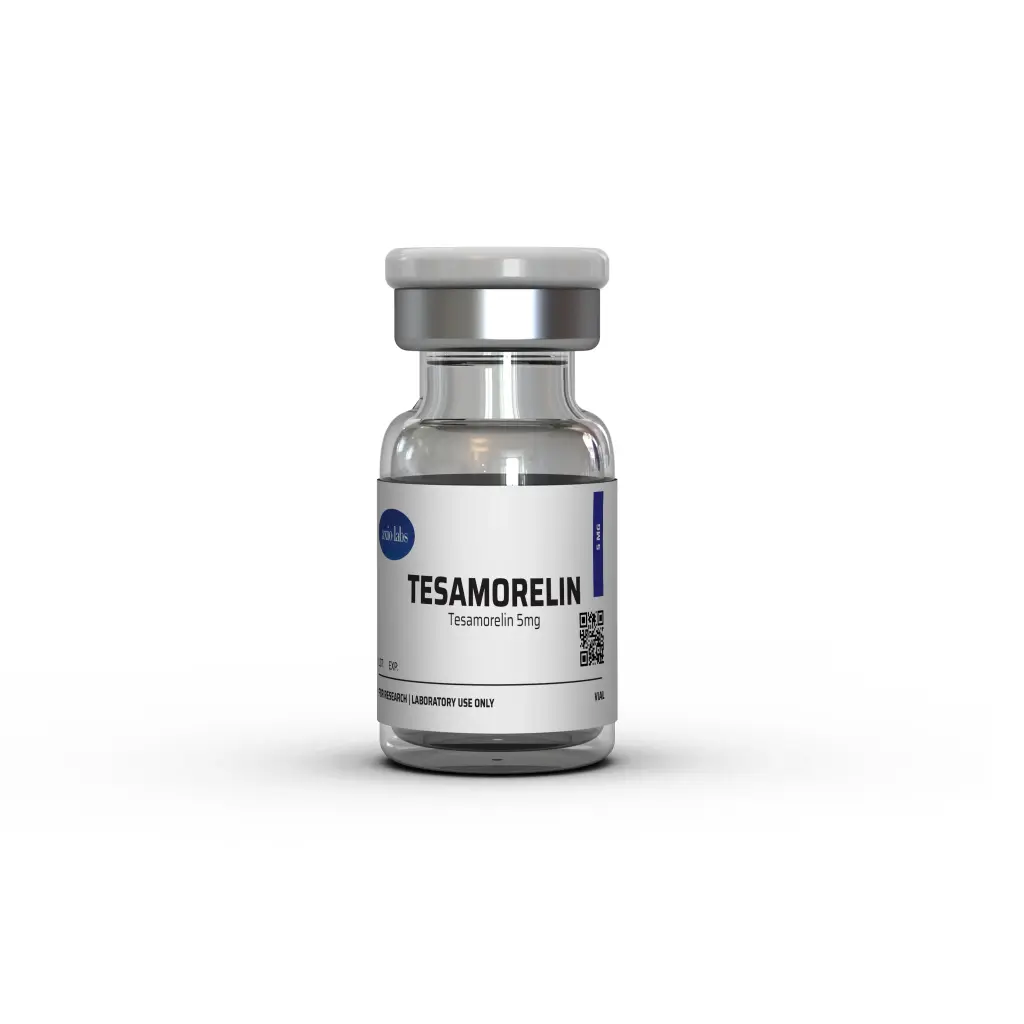
Manufacturer: Axiolabs
Pharmaceutical name: Tesamorelin
Pack: vial (5 mg per vial)
⚠️ Provided in a lyophilized powder for stability
| Compound | Pathway | Primary Use | Key Benefit |
|---|---|---|---|
| Tesamorelin | GHRH | Visceral fat reduction | Targeted recomposition |
| Ipamorelin | Ghrelin receptor | GH stimulation | Recovery support |
| CJC-1295 | GHRH analog | GH optimization | Sustained GH release |
| Level | Dose size | Description |
|---|---|---|
| Dosage levels | ||
| Low | 100 mcg | Conservative entry point |
| Moderate | 250 mcg | Typical amount in research settings |
| High | 500 mcg | Upper limit of the commonly cited range |
| Essential information | ||
| Regulatory status | Approved by the FDA under the brand name Egrifta for HIV-associated abdominal fat; research versions sold without a prescription have no approval | |
| Half-life | Undetermined; estimates differ across sources | |
| Administration | Subcutaneous injection, just beneath the skin | |
| Dosing frequency | One to two times daily | |
| Maximum researched dose | 500 mcg | |
| Reported side effects | Injection-site reactions, nausea, stomach discomfort | |
| Please note | Values are unit conversions provided for reference, not medical guidance | |
| Reconstitution calculator | |
|---|---|
| Find out how much bacteriostatic water to add and how many units to draw on your syringe for your Tesamorelin dose. | |
| Peptide in the vial |
mg
|
| Bacteriostatic water |
mL
|
| Dose you want |
mcg
|
| Syringe |
|
| Results | |
| Choose your values and press Calculate. | |
| Concentration | — |
| Amount to draw | — |
| Units to draw | — |
| Doses in the vial | — |
| How the math works | |
| 1. Find the concentration | Divide the peptide in the vial by the water added. For example, 5 mg ÷ 2 mL = 2.5 mg/mL, which is 2,500 mcg/mL |
| 2. Work out the volume | Divide the dose by the concentration. For example, 100 mcg ÷ 2,500 mcg/mL = 0.04 mL |
| 3. Convert to units | On a U-100 syringe, multiply the mL by 100. For example, 0.04 mL = 4 units |
| 4. Check the syringe | Make sure the amount fits the syringe you are using |
| Worked example | |
| Vial | 5 mg tesamorelin |
| Water | 2 mL bacteriostatic water |
| Dose | 100 mcg |
| Syringe | 100 units (1 mL) |
| Concentration | 5 mg ÷ 2 mL = 2,500 mcg/mL |
| Amount to draw | 100 mcg ÷ 2,500 mcg/mL = 0.04 mL, which is 4 units on a U-100 syringe |
| Disclaimer | |
| This tool does math conversions only. It does not choose a dose for you or confirm product quality, safety, or medical suitability. | |
Mixing a peptide takes about a minute. What people usually get wrong is what happens afterwards. Work through the steps in the guide above, then store the vial the way we lay out further down.
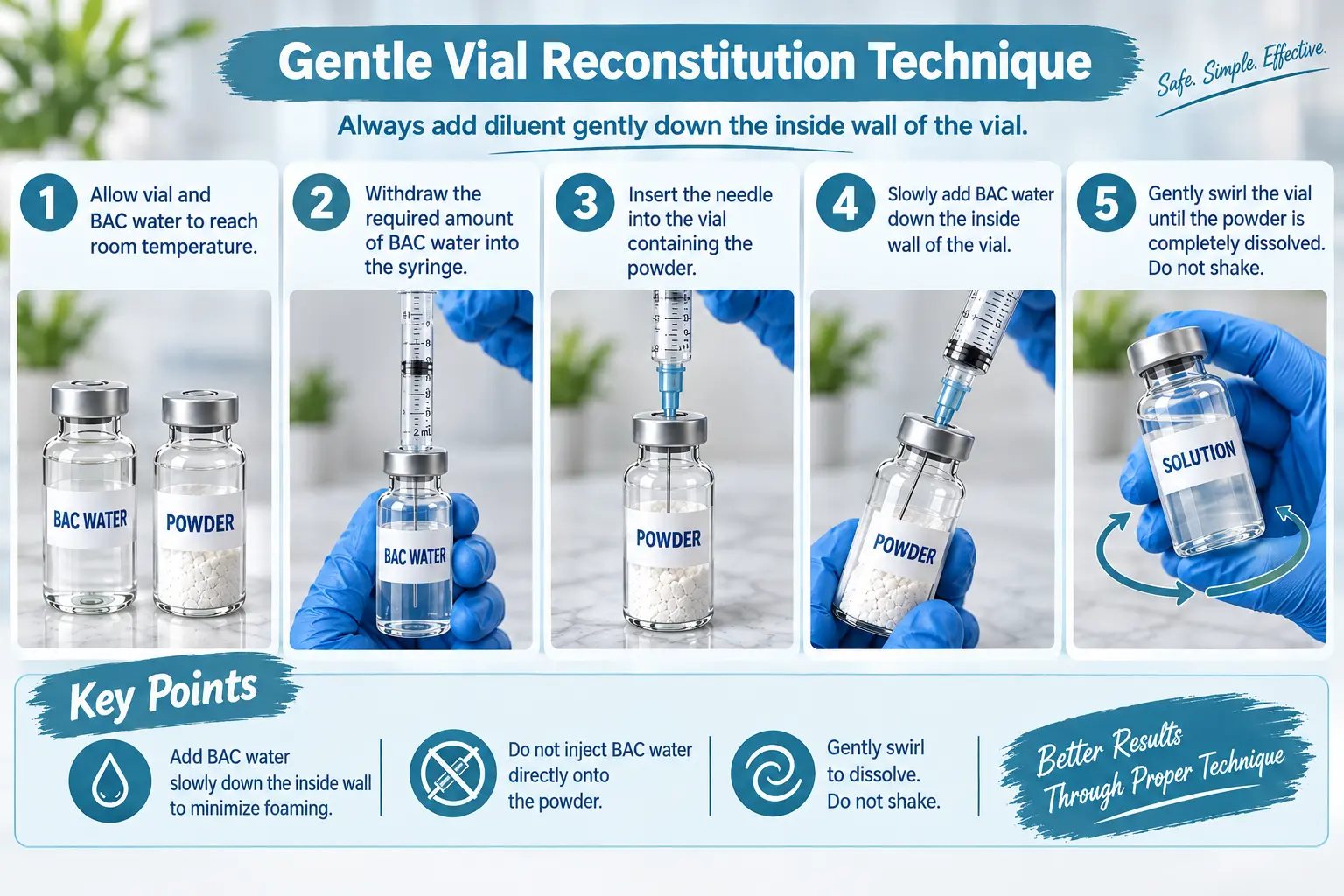
The five steps above cover it. Let the vial and the bacteriostatic water sit out until they reach room temperature. Then run the bacteriostatic water down the inside wall of the vial, slowly, so it does not foam up. Swirl it gently until the powder is gone. Do not shake the vial, and do not squirt the bacteriostatic water straight onto the powder.
As soon as it is mixed, put the vial back in the fridge. 2 to 8°C (35.6°F to 46.4°F) is what you want, and it stays there until you have used it up. Write the mixing date on the label. Do not rely on memory for that.
The dry powder is much easier to keep. Store it dry and away from light, at room temperature if it is only for a short while, or at -20°C for the long term. Only mix what you are going to use.
Please log in to write Tesamorelin 5 mg review.
Manufacturer: Kalpa Pharmaceuticals
Pharmaceutical name: Tesamorelin
Pack: vial (5 mg per vial)
⚠️ Provided in a lyophilized powder for stability
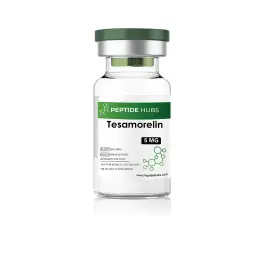
Manufacturer: Peptide Hubs
Pharmaceutical name: Tesamorelin
Pack: vial (5mg)
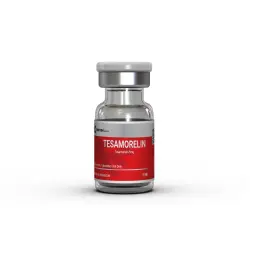
Manufacturer: British Dragon Pharmaceuticals
Pharmaceutical name: Tesamorelin
Pack: vial (5 mg per vial)
⚠️ Provided in a lyophilized powder for stability
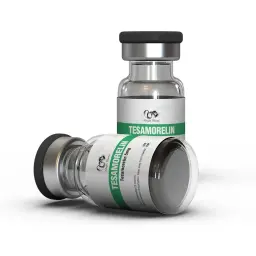
Manufacturer: Dragon Pharma
Pharmaceutical name: Tesamorelin
Pack: 2 ml vial (5 mg per vial)