


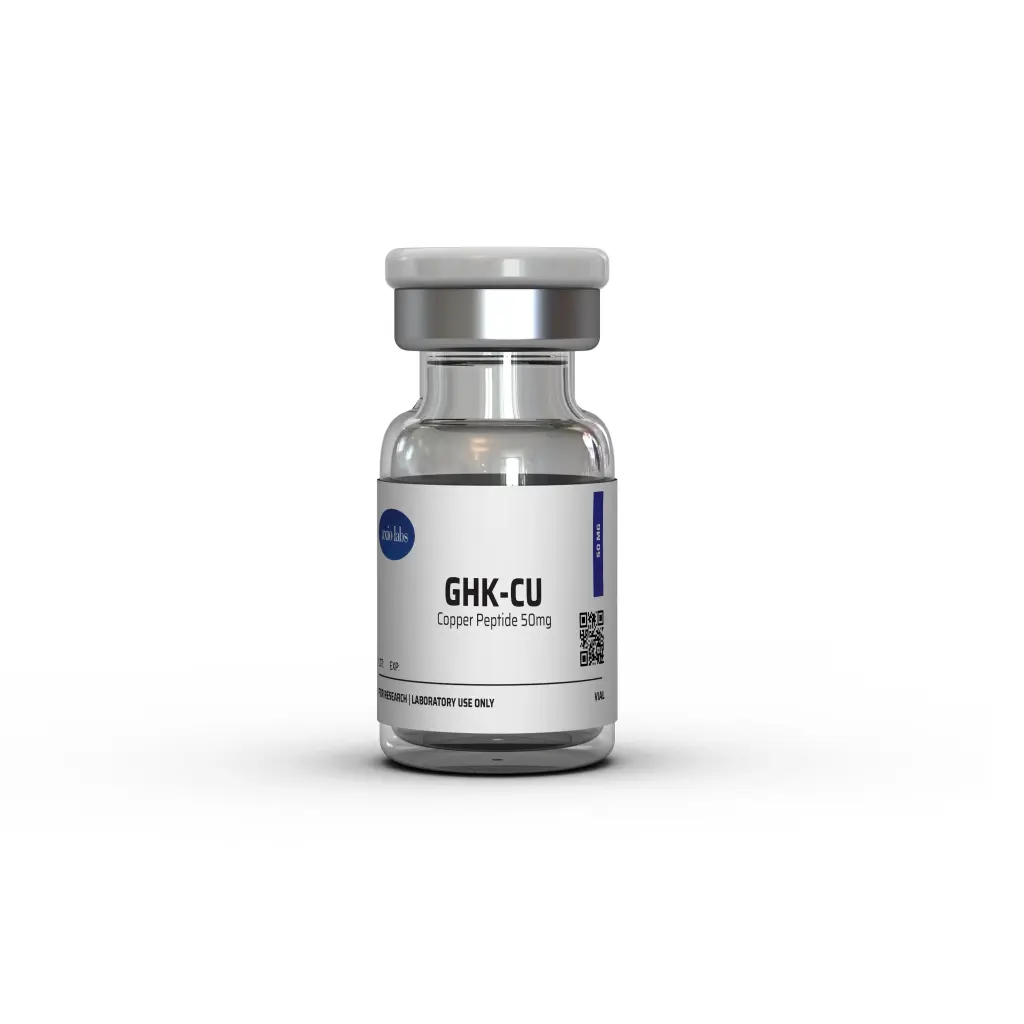
Manufacturer: Axiolabs
Pharmaceutical name: GHK-CU
Pack: vial (50mg per vial)
⚠️ Provided in a lyophilized powder for stability
| Compound | Primary Function | Target Tissue | Main Mechanism |
|---|---|---|---|
| GHK-Cu | Collagen regeneration | Connective tissue | Fibroblast activation |
| BPC 157 | Localized healing | Injury sites | Angiogenesis |
| TB-500 | Systemic recovery | Whole body | Cell migration |
| Protocol | Dose | Frequency | Cycle length | Typical use |
|---|---|---|---|---|
| Common research and supervised amounts | ||||
| Gentle introduction | 0.5–1 mg | Daily | Defined on and off phases | New users starting gradually |
| Stepped escalation | 1 mg → 2 mg | Daily | 30 days active, then 30 days break | Skin quality and graceful aging |
| Consistent daily | 1–2 mg | Daily | Defined on and off phases | Experienced users keeping one steady dose |
| Intensive | 2–3 mg | Daily | Brief, defined cycle | Repair of tissue and connective tissue |
| 30-day escalation plan | ||||
| Day range | Dose per day | Phase | ||
| 1–15 | 1 mg daily | Active phase, starting dose | ||
| 16–30 | 2 mg daily | Active phase, higher dose | ||
| 31–60 | No dosing | Off-cycle review | ||
| Essential information | ||||
| Overview | Tripeptide that binds copper (glycyl-L-histidyl-L-lysine), associated with skin regeneration, collagen, and tissue remodeling | |||
| Administration | Daily subcutaneous injection | |||
| Cycling | Thirty days of use followed by thirty days off, giving the provider time to review progress | |||
| Dose philosophy | Acts as a copper signaling peptide; larger amounts do not necessarily add benefit | |||
| Common combinations | Frequently discussed together with BPC-157 and TB-500 for tissue repair | |||
| Reported side effects | Injection-site reactions, copper sensitivity, fatigue | |||
| Contraindications | Pregnancy, breastfeeding, Wilson's disease or other copper storage disorders, or use without medical supervision | |||
| Please note | Values are calculations only and do not verify purity, safety, or whether use is appropriate | |||
| Reconstitution calculator | |
|---|---|
| Find out how much bacteriostatic water to add and how many units to draw on your syringe for your GHK-Cu dose. | |
| Peptide in the vial |
mg
|
| Bacteriostatic water |
mL
|
| Dose you want |
mg
|
| Syringe |
|
| Results | |
| Choose your values and press Calculate. | |
| Concentration | — |
| Amount to draw | — |
| Units to draw | — |
| Doses in the vial | — |
| How the math works | |
| 1. Find the concentration | Divide the peptide in the vial by the water added. For example, 50 mg ÷ 2 mL = 25 mg/mL |
| 2. Work out the volume | Divide the dose by the concentration. For example, 1 mg ÷ 25 mg/mL = 0.04 mL |
| 3. Convert to units | On a U-100 syringe, multiply the mL by 100. For example, 0.04 mL = 4 units |
| 4. Check the syringe | Make sure the amount fits the syringe you are using |
| Worked example | |
| Vial | 50 mg GHK-Cu |
| Water | 2 mL bacteriostatic water |
| Dose | 1 mg |
| Syringe | 100 units (1 mL) |
| Concentration | 50 mg ÷ 2 mL = 25 mg/mL |
| Amount to draw | 1 mg ÷ 25 mg/mL = 0.04 mL, which is 4 units on a U-100 syringe |
| Doses in the vial | 50 mg ÷ 1 mg = 50 doses |
| Step-up schedule example | |
| Vial | 50 mg GHK-Cu mixed with 2 mL water = 25 mg/mL |
| Days 1–15 | 1 mg a day = 0.04 mL = 4 units (15 doses) |
| Days 16–30 | 2 mg a day = 0.08 mL = 8 units (15 more doses, 30 in total) |
| Total used | 45 mg of the 50 mg vial (15 × 1 mg + 15 × 2 mg) |
| Disclaimer | |
| This tool does math conversions only. It does not choose a dose for you or confirm product quality, safety, or medical suitability. | |
Mixing a peptide takes about a minute. What people usually get wrong is what happens afterwards. Work through the steps in the guide above, then store the vial the way we lay out further down.
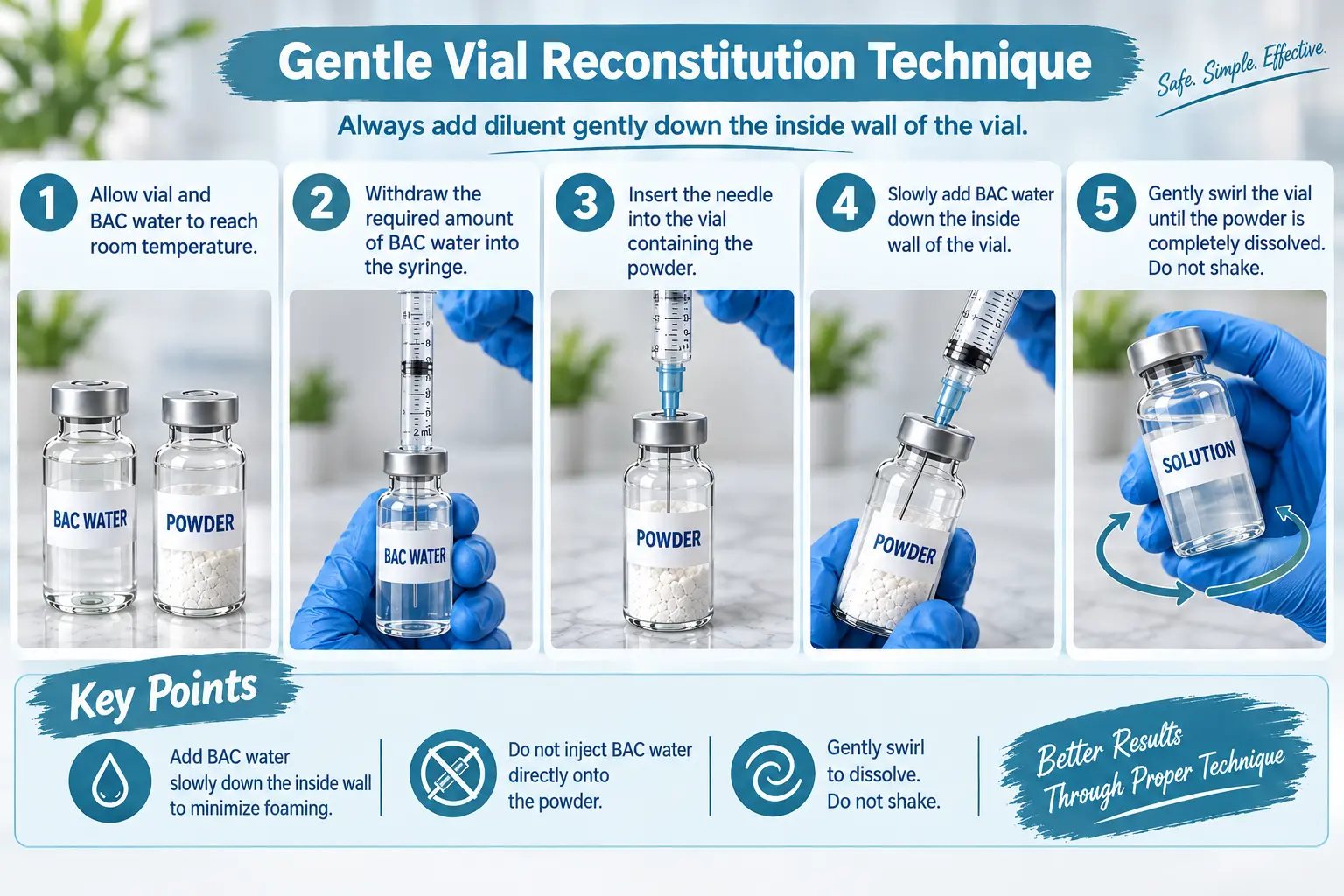
The five steps above cover it. Let the vial and the bacteriostatic water sit out until they reach room temperature. Then run the bacteriostatic water down the inside wall of the vial, slowly, so it does not foam up. Swirl it gently until the powder is gone. Do not shake the vial, and do not squirt the bacteriostatic water straight onto the powder.
As soon as it is mixed, put the vial back in the fridge. 2 to 8°C (35.6°F to 46.4°F) is what you want, and it stays there until you have used it up. Write the mixing date on the label. Do not rely on memory for that.
The dry powder is much easier to keep. Store it dry and away from light, at room temperature if it is only for a short while, or at -20°C for the long term. Only mix what you are going to use.
Please log in to write GHK-CU 50 mg review.
Manufacturer: Kalpa Pharmaceuticals
Pharmaceutical name: GHK-CU
Pack: vial (50mg per vial)
⚠️ Provided in a lyophilized powder for stability
Manufacturer: British Dragon Pharmaceuticals
Pharmaceutical name: GHK-CU
Pack: vial (50mg per vial)
⚠️ Provided in a lyophilized powder for stability
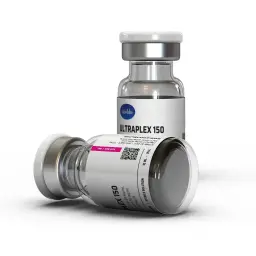
Manufacturer: Axiolabs
Pharmaceutical name: Drostanolone Propionate, Testosterone Propionate, Trenbolone Acetate
Pack: 10 ml vial (150 mg/ml)