BPC 157
SARMS and Peptides
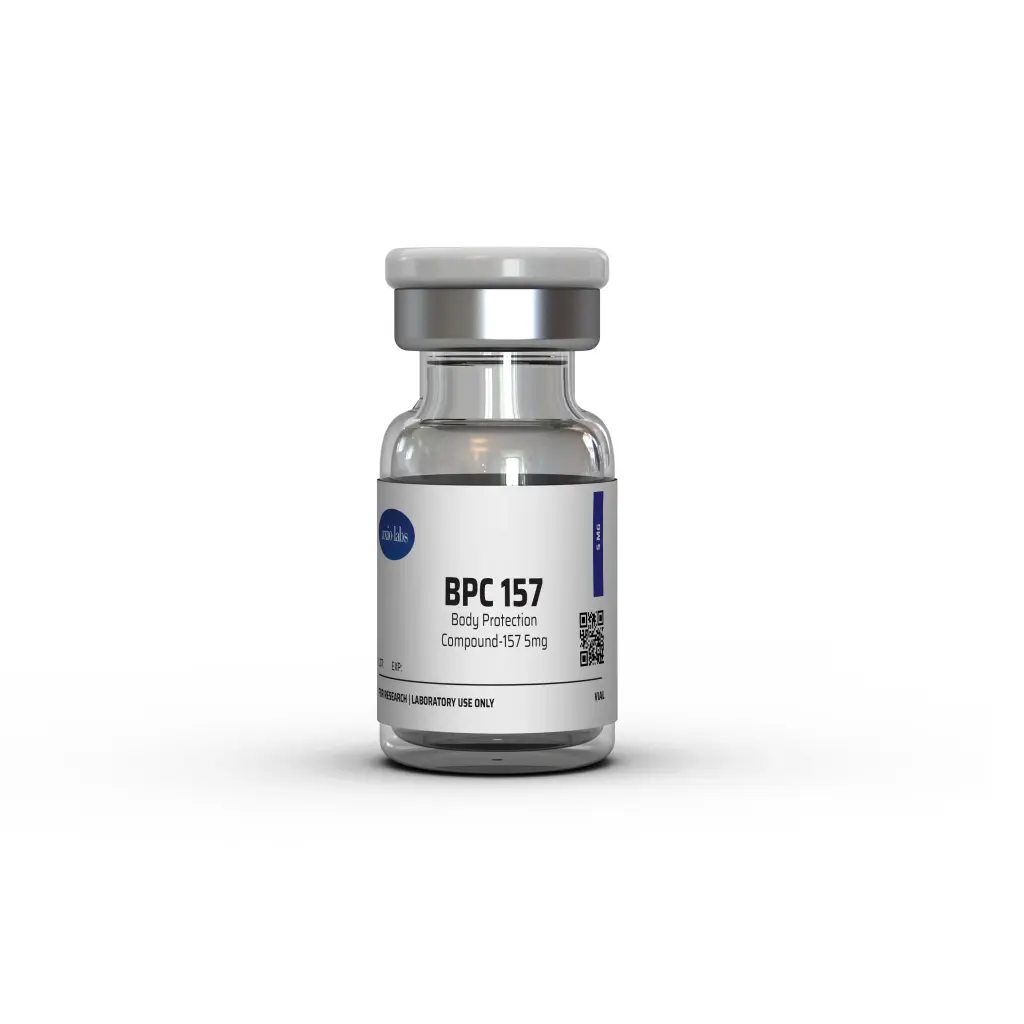
BPC 157

Manufacturer: Axiolabs
Pharmaceutical name: Pentadecapeptide
Pack: vial (5 mg)
⚠️ Provided in a lyophilized powder for stability

$24.00 $40.00
Shipping :
International
U.S. Domestic
Out of stock

BPC 157 (Pentadecapeptide) by Axiolabs - Gut Health & Gastrointestinal Repair Peptide

BPC 157, or Body Protection Compound 157, is a synthetic pentadecapeptide derived from a naturally occurring protein found in gastric juice. Its origin within the digestive system has led to significant research interest in its potential role in gastrointestinal protection, gut healing, and mucosal repair. Unlike many compounds that focus on isolated systems, BPC 157 has demonstrated broad cytoprotective effects in preclinical models, particularly within the digestive tract.

The gastrointestinal system plays a central role in nutrient absorption, immune function, and overall metabolic health. When the integrity of the gut lining is compromised, issues such as inflammation, impaired digestion, and reduced nutrient uptake may occur. BPC 157 has been studied for its potential ability to support restoration of gut barrier integrity and promote healing processes.

Important medical note: BPC 157 is considered a research compound in many regions and is not widely approved for general medical use. Any use should be supervised by a qualified healthcare professional where legally permitted.

Gastrointestinal Protection & Mucosal Healing

The inner lining of the stomach and intestines is constantly exposed to mechanical stress, digestive acids, and inflammatory triggers. BPC 157 has been investigated for its ability to protect and repair this mucosal layer.

Mechanisms explored in research include:
• Support for gastric mucosa regeneration
• Protection against ulcer formation in preclinical models
• Enhancement of epithelial cell repair
• Maintenance of gut barrier integrity

These mechanisms are critical in maintaining digestive health and preventing breakdown of the intestinal lining.

Gut Barrier Function & Inflammation Modulation

A healthy gut barrier prevents harmful substances from entering the bloodstream while allowing nutrients to pass through. Disruption of this barrier is often associated with inflammation and systemic health issues.

BPC 157 has been studied for its role in:
• Supporting tight junction stability
• Modulating inflammatory signaling pathways
• Reducing oxidative stress within the digestive tract
• Promoting balanced immune response in gut tissue

Because inflammation plays a central role in many gastrointestinal conditions, modulation of inflammatory pathways is a key area of ongoing research.

Angiogenesis & Blood Flow in the Digestive System

Adequate blood flow is essential for tissue repair and nutrient delivery. BPC 157 has shown potential to promote angiogenesis, the formation of new blood vessels, which may enhance healing in damaged gastrointestinal tissue.

This includes:
• Improved circulation to injured areas
• Enhanced delivery of oxygen and nutrients
• Support for faster tissue regeneration

These vascular effects may contribute to the peptide's overall cytoprotective profile.

Gut Health Comparison with Other Compounds

BPC 157 is often discussed alongside compounds such as DSIP and GHK-Cu in broader recovery and systemic health discussions.

While DSIP is primarily associated with sleep regulation and neuroendocrine balance, and GHK-Cu with skin and tissue repair, BPC 157 is more directly linked to gastrointestinal protection and mucosal healing in research settings.

Comparison Table

Compound Primary Role Target System Key Mechanism
BPC 157 Gut repair Digestive system Mucosal healing & angiogenesis
DSIP Sleep regulation Central nervous system Neuroendocrine modulation
GHK-Cu Tissue repair Skin & connective tissue Collagen stimulation


Frequently Asked Questions

1) What is BPC 157?

BPC 157 is a synthetic peptide derived from a gastric protein, studied for its protective and healing effects in the digestive system.

2) Can BPC 157 support gut health?

Preclinical research suggests it may help protect and repair the gastrointestinal lining.

3) Is BPC 157 used for ulcers?

It has been studied in laboratory models for ulcer protection, but clinical use is not widely established.

4) How does BPC 157 affect inflammation?

It may modulate inflammatory pathways and support balanced immune responses in gut tissue.

5) Is BPC 157 approved for medical use?

In many regions, it is classified as a research compound and not approved for general use.

Level Dose size Description
Dosage levels
Low 100 mcg Conservative entry point
Moderate 250 mcg Typical amount in research settings
High 500 mcg Upper limit of the commonly cited range
Essential information
Regulatory status Sold as a research compound; no human dose has FDA approval
Half-life Undetermined; estimates differ across sources
Administration Subcutaneous injection, just beneath the skin
Dosing frequency One to two times daily
Maximum researched dose 500 mcg
Reported side effects Injection-site reactions, nausea, stomach discomfort
Please note Values are unit conversions provided for reference, not medical guidance
Reconstitution calculator
Find out how much bacteriostatic water to add and how many units to draw on your syringe for your BPC-157 dose.
Peptide in the vial
mg
Bacteriostatic water
mL
Dose you want
mcg
Syringe
Results
Choose your values and press Calculate.
Concentration —
Amount to draw —
Units to draw —
Doses in the vial —
How the math works
1. Find the concentration Divide the peptide in the vial by the water added. For example, 5 mg ÷ 2 mL = 2.5 mg/mL, which is 2,500 mcg/mL
2. Work out the volume Divide the dose by the concentration. For example, 100 mcg ÷ 2,500 mcg/mL = 0.04 mL
3. Convert to units On a U-100 syringe, multiply the mL by 100. For example, 0.04 mL = 4 units
4. Check the syringe Make sure the amount fits the syringe you are using
Worked example
Vial 5 mg BPC-157
Water 2 mL bacteriostatic water
Dose 100 mcg
Syringe 100 units (1 mL)
Concentration 5 mg ÷ 2 mL = 2,500 mcg/mL
Amount to draw 100 mcg ÷ 2,500 mcg/mL = 0.04 mL, which is 4 units on a U-100 syringe
Disclaimer
This tool does math conversions only. It does not choose a dose for you or confirm product quality, safety, or medical suitability.

Reconstitution & Storage

Mixing a peptide takes about a minute. What people usually get wrong is what happens afterwards. Work through the steps in the guide above, then store the vial the way we lay out further down.
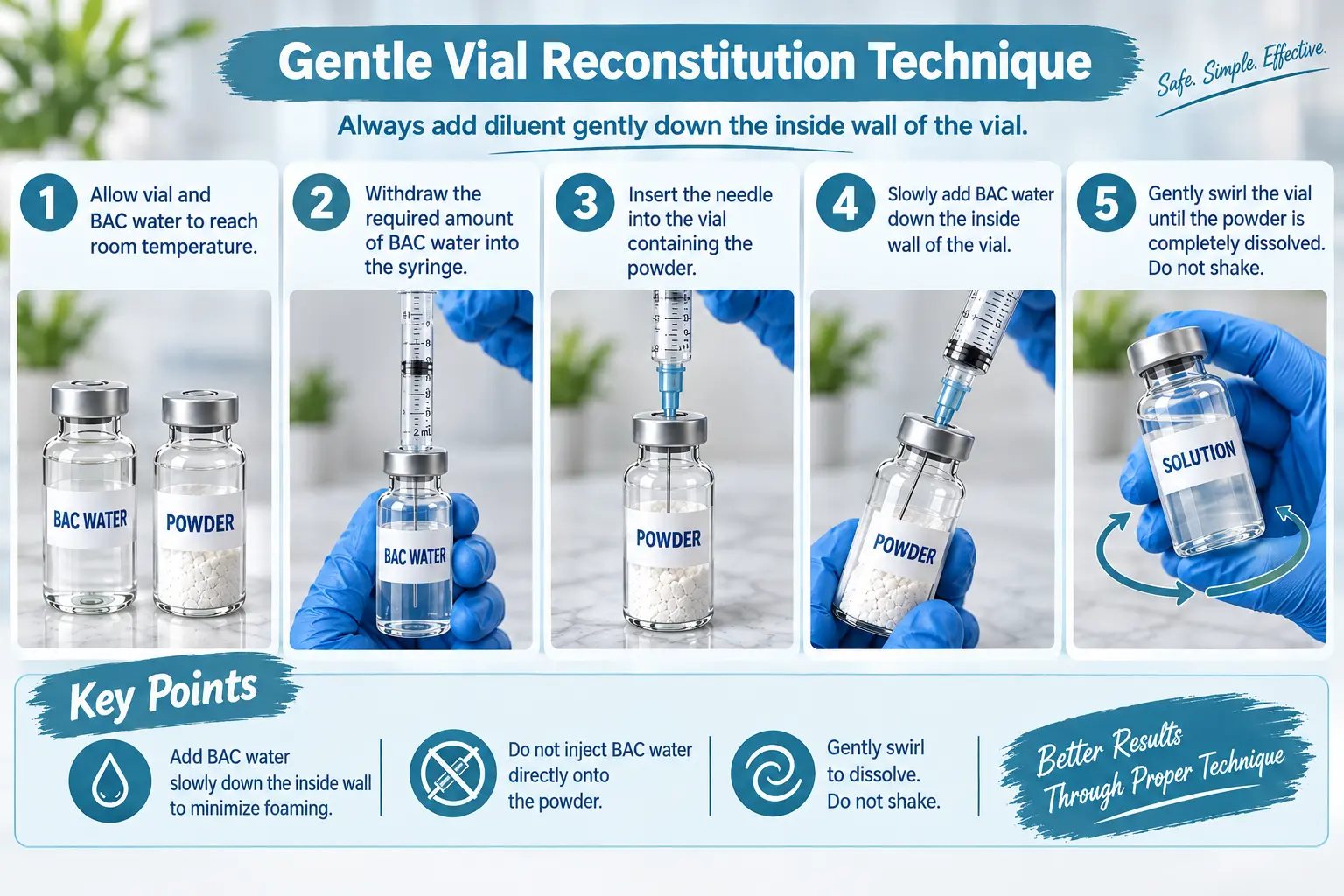
How to reconstitute peptides

How to Reconstitute

The five steps above cover it. Let the vial and the bacteriostatic water sit out until they reach room temperature. Then run the bacteriostatic water down the inside wall of the vial, slowly, so it does not foam up. Swirl it gently until the powder is gone. Do not shake the vial, and do not squirt the bacteriostatic water straight onto the powder.

How to Store the Mixed Peptide

As soon as it is mixed, put the vial back in the fridge. 2 to 8°C (35.6°F to 46.4°F) is what you want, and it stays there until you have used it up. Write the mixing date on the label. Do not rely on memory for that.

  • Temperature: an ordinary fridge, 2 to 8°C (35.6°F to 46.4°F). Not the freezer, not a kitchen cupboard.
  • How long it lasts: around 4 weeks. Anything past 28 days goes in the bin.
  • Light: keep it in the box or in a dark drawer. Light breaks peptides down.
  • Handling: wipe the stopper with an alcohol swab before each draw, use a new needle and do not shake it. Swirl if it needs a mix.
  • Freezing: never freeze a mixed solution. Ice crystals form, and a freeze and thaw cycle costs you potency.
  • Throw it out if: the liquid goes cloudy, changes colour, or you can see particles in it.

The dry powder is much easier to keep. Store it dry and away from light, at room temperature if it is only for a short while, or at -20°C for the long term. Only mix what you are going to use.

No reviews found

Please log in to write BPC 157 review.
Related Offers
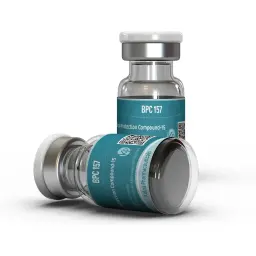
BPC 157
Kalpa Pharmaceuticals LTD, India

Manufacturer: Kalpa Pharmaceuticals
Pharmaceutical name: Pentadecapeptide
Pack: vial (2mg per vial)
$24.00 $40.00
You will save $16.00
Out of stock
Domestic & International
-40% OFF
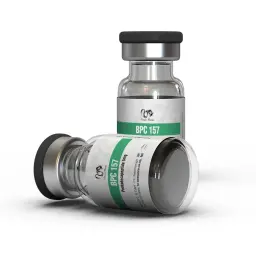
BPC 157
Dragon Pharma, Europe

Manufacturer: Dragon Pharma
Pharmaceutical name: Pentadecapeptide
Pack: 2 ml (2 mg)
$24.00 $40.00
You will save $16.00
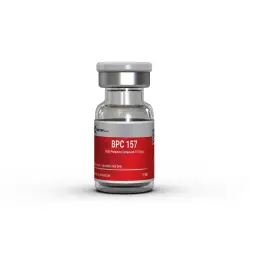
BPC 157
British Dragon Pharmaceuticals

Manufacturer: British Dragon Pharmaceuticals
Pharmaceutical name: Pentadecapeptide
Pack: vial (5 mg)
⚠️ Provided in a lyophilized powder for stability
$24.00 $40.00
You will save $16.00
Out of stock
Domestic & International
-40% OFF
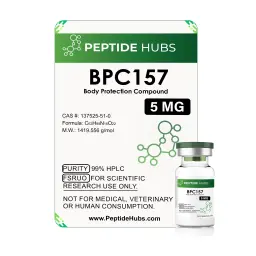
BPC 157
Peptide Hubs

Manufacturer: Peptide Hubs
Pharmaceutical name: Body Protective Compound 157
Pack: vial (5 mg)
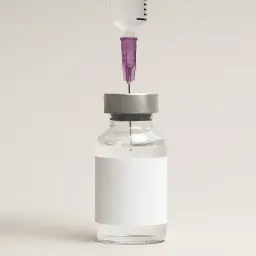
$22.80 $38.00
You will save $15.20
Shipped USA Domestic
BPC157 10 mg
Stealth Labs

Manufacturer: Stealth Labs
Pharmaceutical name: Pentadecapeptide
Pack: vial (10mg per vial)

STEALTH - Shipped without label
$38.00
Out of stock
Shipped International
Shipped USA Domestic
Arimiplex
Axiolabs

Manufacturer: Axiolabs
Substance: Anastrozole
Pack: 50 tabs (1 mg/tab)

$100.00
Shipped International
Shipped USA Domestic
Clomiplex
Axiolabs

Manufacturer: Axiolabs
Substance: Clomiphene Citrate
Pack: 50 tabs (50 mg/tab)

$30.80 $44.00
You will save $13.20
Out of stock
Shipped International
Shipped USA Domestic
Exeplex
Axiolabs

Manufacturer: Axiolabs
Substance: Exemestane
Pack: 20 tabs (25 mg/tab)

$88.00

Add to Cart - Product(s)

Close Button
Empty

Total Cost: