


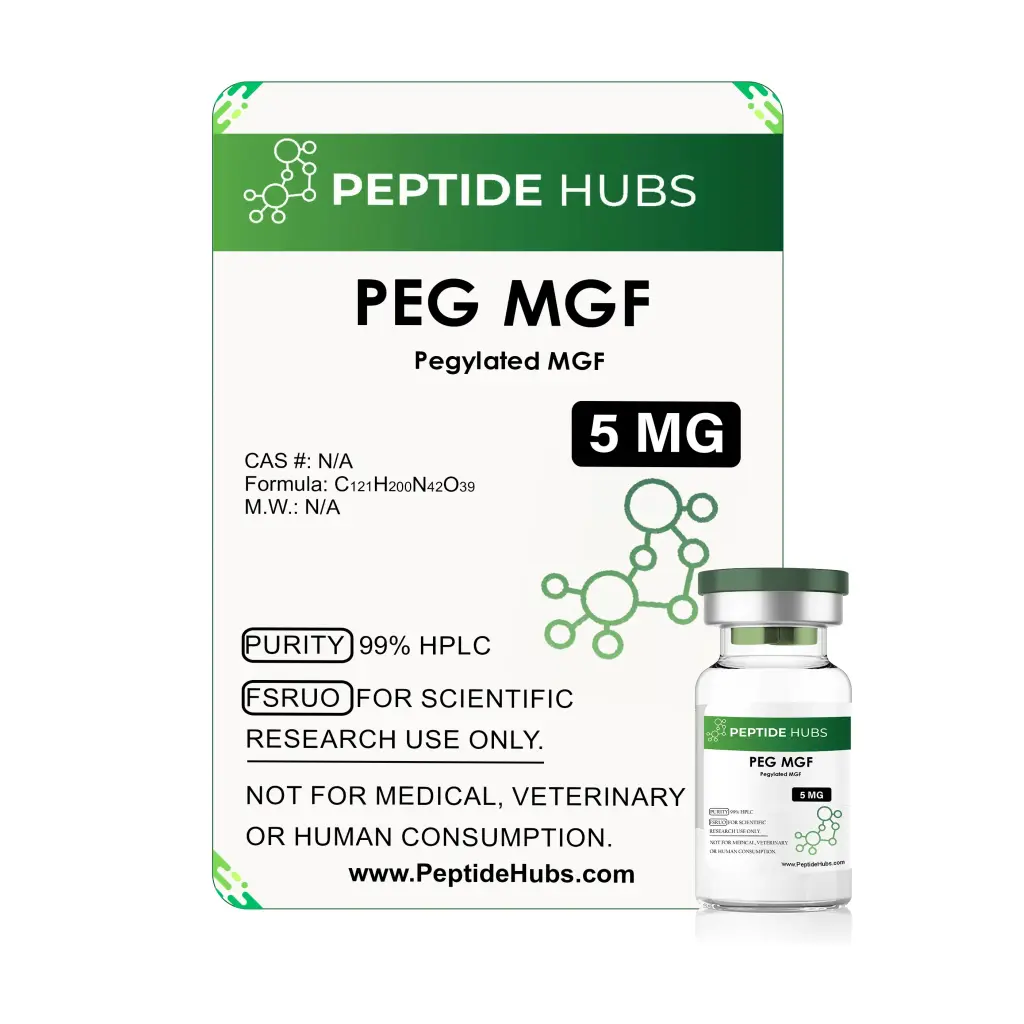
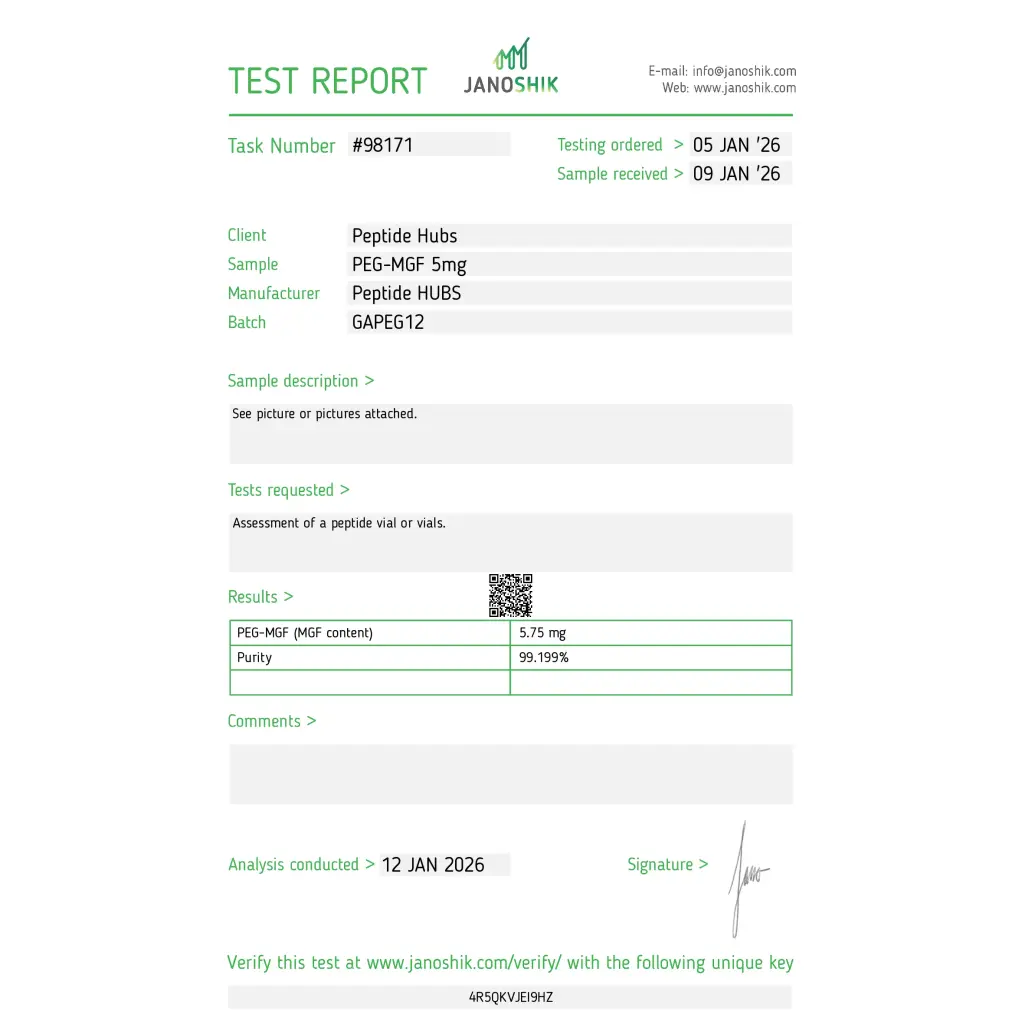
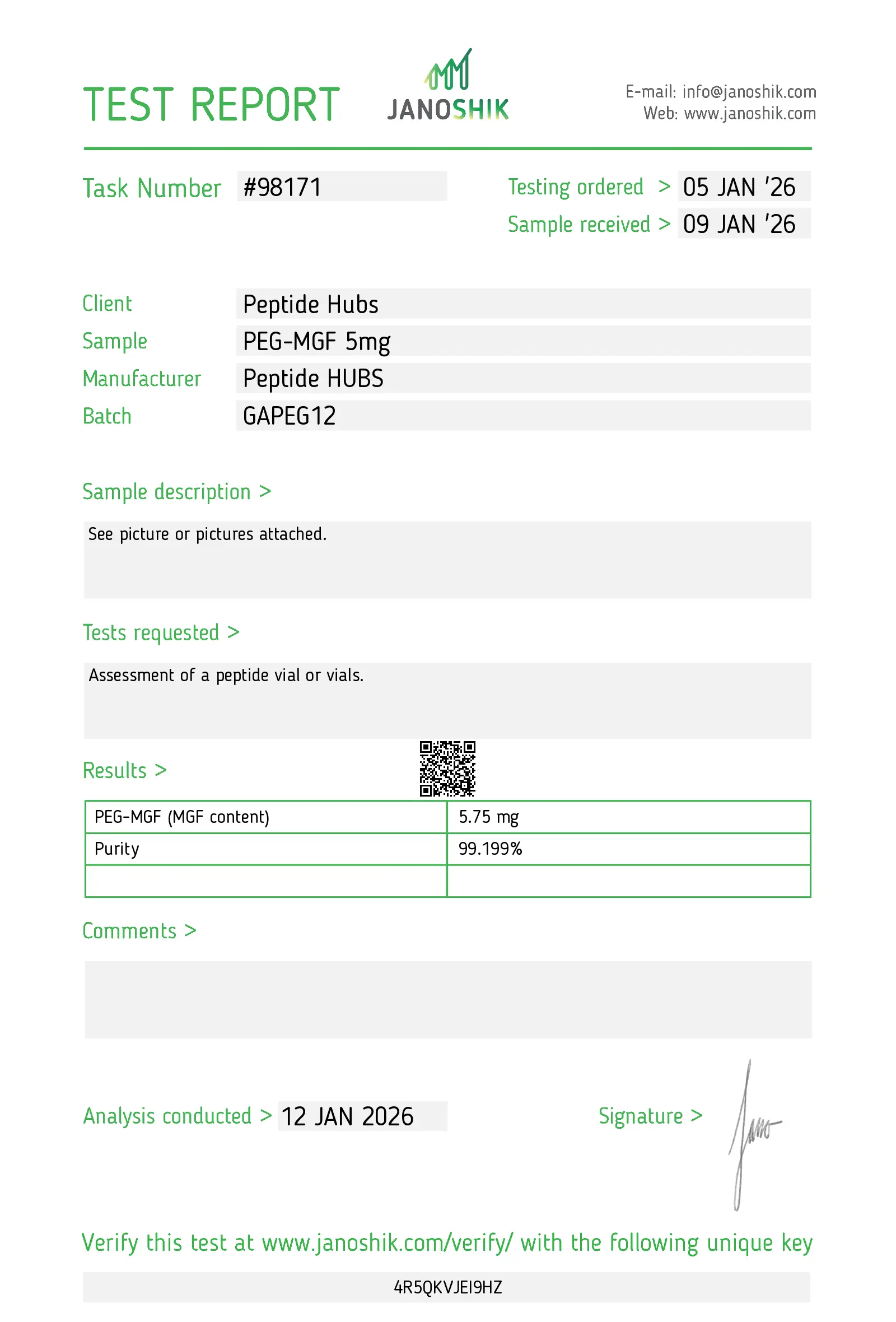
Manufacturer: Peptide Hubs
Pharmaceutical name: Pegylated Mechano Growth Factor
Pack: vial (5mg)
PEG-MGF (Pegylated Mechano Growth Factor) by Peptide Hubs is an advanced anabolic peptide designed for lifters and athletes who want stronger training adaptation, faster muscle repair, and real performance carryover from heavy workouts.
While standard IGF-1 variants act quickly and fade fast, PEG-MGF is engineered for a longer half-life, allowing it to remain active in the bloodstream and muscle tissue for extended periods. This makes it ideal for athletes focused on strength progression, structural muscle repair, and adapting to high-intensity resistance training.
PEG-MGF is not about flashy pumps or short-term fullness. Its primary role is to enhance how muscle fibers respond to mechanical stress. Heavy squats, presses, pulls, and explosive movements create micro-damage in muscle tissue. PEG-MGF signals satellite cell activation and muscle repair processes that help rebuild fibers thicker, stronger, and more resilient over time.
This is why PEG-MGF is often favored by advanced lifters who are already pushing serious weight. Instead of simply adding water weight or temporary size, PEG-MGF helps improve how the body adapts to load. Over time, users report improved strength retention, better recovery between sessions, and muscles that feel more durable under repeated stress.
Peptide Hubs PEG-MGF is produced to high purity standards, ensuring consistent reconstitution and reliable dosing. For peptides that influence muscle repair and adaptation, quality matters. Inconsistent products lead to inconsistent results, especially when used in structured strength programs.
• Improves muscle fiber repair after heavy training
• Supports long-term strength adaptation
• Enhances response to progressive overload
• Helps reduce breakdown during intense cycles
• Ideal for powerlifting, bodybuilding, CrossFit, and hybrid athletes
• Complements anabolic cycles and high-volume training blocks
PEG-MGF is released naturally by muscle tissue after intense mechanical stress. Supplementing with PEG-MGF extends and amplifies this signal. Instead of repair stopping after a short window, muscle cells remain in a heightened recovery and adaptation state.
This is especially useful during strength phases where frequency is high and recovery time is limited. PEG-MGF helps muscles keep up with workload demands, allowing athletes to train harder without accumulating excessive fatigue or breakdown.
• Typical dose: 200-400 mcg per injection
• Frequency: 2-3 times per week
• Timing: Post-workout or on rest days between heavy sessions
• Cycle length: 4-6 weeks
Due to its longer half-life, PEG-MGF does not need daily administration. More is not better. Moderate dosing produces the best adaptation and recovery results.
PEG-MGF + IGF-1 LR3
Enhances muscle repair while supporting hypertrophy and nutrient uptake.
PEG-MGF + CJC-1295 DAC
Combines local muscle repair with systemic growth hormone support.
PEG-MGF + BPC-157
Excellent for lifters managing joint stress or connective tissue strain.
| Peptide | Main Effect | Duration | Best Use |
|---|---|---|---|
| PEG-MGF | Muscle repair & adaptation | Long-acting | Strength & recovery |
| IGF-1 LR3 | Hypertrophy & nutrient uptake | Shorter | Size & fullness |
| MGF | Local muscle repair | Very short | Immediate post-workout |
What makes PEG-MGF different from regular MGF?
PEG-MGF lasts significantly longer in the body, allowing sustained muscle repair and adaptation instead of a short post-workout spike.
Is PEG-MGF good for strength athletes?
Yes. It is particularly effective for lifters focused on progressive overload, heavy compounds, and long-term strength gains.
Can PEG-MGF be used on-cycle?
Yes. Many athletes use it during anabolic cycles to improve muscle repair and training tolerance.
Does PEG-MGF cause water retention?
Minimal. It focuses more on structural muscle repair rather than cosmetic fullness.
How fast will I notice results?
Most users notice improved recovery and reduced soreness within 2-3 weeks, with strength adaptation becoming clearer over the full cycle.
| Level | Dose size | Description |
|---|---|---|
| Dosage levels | ||
| Low | 100 mcg | Conservative entry point |
| Moderate | 250 mcg | Typical amount in research settings |
| High | 500 mcg | Upper limit of the commonly cited range |
| Essential information | ||
| Regulatory status | Sold as a research compound; no human dose has FDA approval | |
| Half-life | Undetermined; estimates differ across sources | |
| Administration | Subcutaneous injection, just beneath the skin | |
| Dosing frequency | One to two times daily | |
| Maximum researched dose | 500 mcg | |
| Reported side effects | Injection-site reactions, nausea, stomach discomfort | |
| Please note | Values are unit conversions provided for reference, not medical guidance | |
| Reconstitution calculator | |
|---|---|
| Find out how much bacteriostatic water to add and how many units to draw on your syringe for your PEG-MGF dose. | |
| Peptide in the vial |
mg
|
| Bacteriostatic water |
mL
|
| Dose you want |
mcg
|
| Syringe |
|
| Results | |
| Choose your values and press Calculate. | |
| Concentration | — |
| Amount to draw | — |
| Units to draw | — |
| Doses in the vial | — |
| How the math works | |
| 1. Find the concentration | Divide the peptide in the vial by the water added. For example, 5 mg ÷ 2 mL = 2.5 mg/mL, which is 2,500 mcg/mL |
| 2. Work out the volume | Divide the dose by the concentration. For example, 100 mcg ÷ 2,500 mcg/mL = 0.04 mL |
| 3. Convert to units | On a U-100 syringe, multiply the mL by 100. For example, 0.04 mL = 4 units |
| 4. Check the syringe | Make sure the amount fits the syringe you are using |
| Worked example | |
| Vial | 5 mg PEG-MGF |
| Water | 2 mL bacteriostatic water |
| Dose | 100 mcg |
| Syringe | 100 units (1 mL) |
| Concentration | 5 mg ÷ 2 mL = 2,500 mcg/mL |
| Amount to draw | 100 mcg ÷ 2,500 mcg/mL = 0.04 mL, which is 4 units on a U-100 syringe |
| Disclaimer | |
| This tool does math conversions only. It does not choose a dose for you or confirm product quality, safety, or medical suitability. | |
Mixing a peptide takes about a minute. What people usually get wrong is what happens afterwards. Work through the steps in the guide above, then store the vial the way we lay out further down.
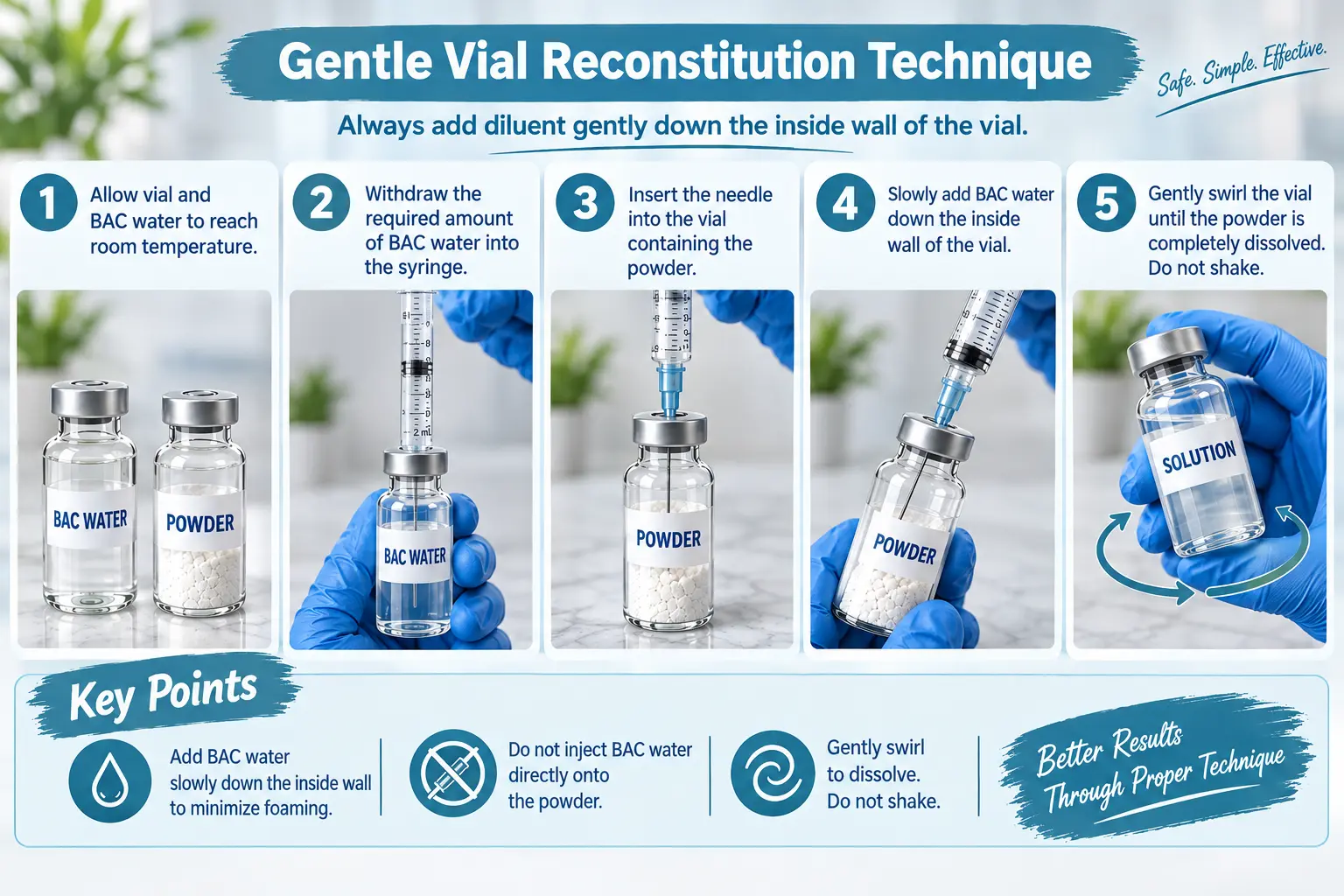
The five steps above cover it. Let the vial and the bacteriostatic water sit out until they reach room temperature. Then run the bacteriostatic water down the inside wall of the vial, slowly, so it does not foam up. Swirl it gently until the powder is gone. Do not shake the vial, and do not squirt the bacteriostatic water straight onto the powder.
As soon as it is mixed, put the vial back in the fridge. 2 to 8°C (35.6°F to 46.4°F) is what you want, and it stays there until you have used it up. Write the mixing date on the label. Do not rely on memory for that.
The dry powder is much easier to keep. Store it dry and away from light, at room temperature if it is only for a short while, or at -20°C for the long term. Only mix what you are going to use.
Please log in to write PEG MGF review.
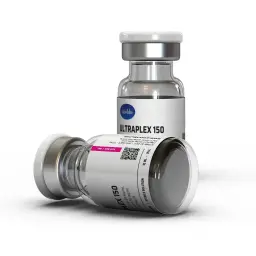
Manufacturer: Axiolabs
Pharmaceutical name: Drostanolone Propionate, Testosterone Propionate, Trenbolone Acetate
Pack: 10 ml vial (150 mg/ml)
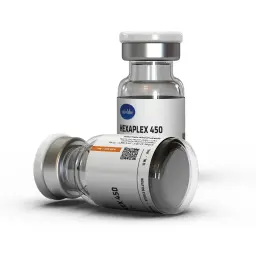
Manufacturer: Axiolabs
Pharmaceutical name: Testosterone Acetate, Testosterone Decanoate, Testosterone Propionate, Testosterone Phenylpropionate, Testosterone Cypionate
Pack: 10 ml vial (450 mg/ml)
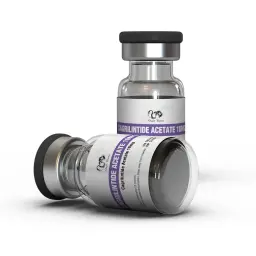
Manufacturer: Dragon Pharma
Substance: Cagrilintide
Pack: vial (10mg)